We will be closed from 5pm BST on Thursday 2nd April for the Easter bank holidays, re-opening at 8.30am BST on Tuesday 7th April. Any orders placed during this period will be processed when we re-open.
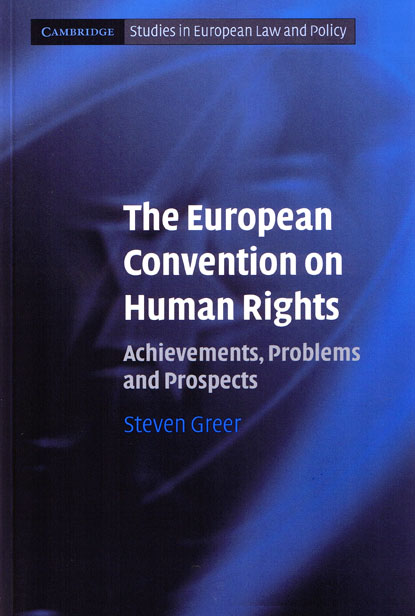
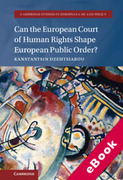
This book critically appraises the European Convention on Human Rights as it faces some daunting challenges. It argues that the Convention's core functions have subtly changed, particularly since the ending of the Cold War, and that these are now to articulate an 'abstract constitutional model' for the entire continent, and to promote convergence in the operation of public institutions at every level of governance.
The implications - from national compliance, to European international relations, including the adjudication of disputes by the European Court of Human Rights - are fully explored. As the first book-length socio-legal examination of the Convention's principal achievements and failures, this study not only blends legal and social science scholarship around the theme of constitutionalization, but also offers a coherent set of policy proposals which both address the current case-management crisis and suggest ways forward neglected by recent reforms.